The Complete Guide to Viewer Intent Research on YouTube
Stop guessing what your audience wants. Learn how to reverse-engineer search intent, surface high-opportunity topics, and package content that ranks before you hit record.

Most channels stall for one reason: the creator picks topics they find interesting instead of topics viewers are already trying to find. Viewer intent research flips that. Before you write a script, you figure out exactly what problem someone is trying to solve when they type a query into YouTube — and then you build the video that solves it better than anything currently on page one.
What viewer intent actually means
Intent is the job the viewer is hiring your video to do. Two people can search the same phrase and want completely different things, so the first step is classifying the query rather than just collecting it.
- Learn intent — 'how does X work'. The viewer wants understanding, so structure beats production value.
- Do intent — 'how to set up X'. The viewer wants to follow along step by step, in order, without theory up front.
- Decide intent — 'X vs Y', 'best X for beginners'. The viewer wants a confident recommendation with reasoning.
- Experience intent — 'I tried X for 30 days'. The viewer wants story, stakes and a payoff, not a tutorial.
If you mismatch the intent, everything downstream fails. A gorgeous cinematic video loses to a screen recording when the query was a 'do' query, because the person just wanted the steps.
A repeatable research process
- 1Start from a pain, not a keyword. Write the sentence a real person would say out loud when the problem hits them.
- 2Expand that sentence into 15–30 real queries using YouTube autocomplete, the 'People also search for' rail, and the questions in your own comments.
- 3Classify each query by intent using the four buckets above. Drop anything you cannot genuinely serve.
- 4Open the top five results for each surviving query. Note the angle, the first 15 seconds, the thumbnail promise, and what is missing.
- 5Write your differentiator in one line: 'Same topic, but ___.' If you cannot finish that sentence, the topic is not ready.
- 6Package before producing: draft the title, thumbnail text and hook first. If the package is weak, no amount of editing rescues it.
Finding gaps instead of fighting for scraps
The best opportunities are queries with obvious demand and mediocre supply. You spot them by looking for signals, not by chasing raw search volume.
- Top results are older than 18 months and the topic has changed since.
- The top results are all from huge channels but none of them answer the specific sub-question.
- Comments on competing videos repeat the same complaint — that complaint is your video.
- The topic is adjacent to something already trending in a neighbouring niche.
Demand is a fact about your audience. Supply is a fact about your competitors. Opportunity only exists where the two disagree.
Turning research into a package
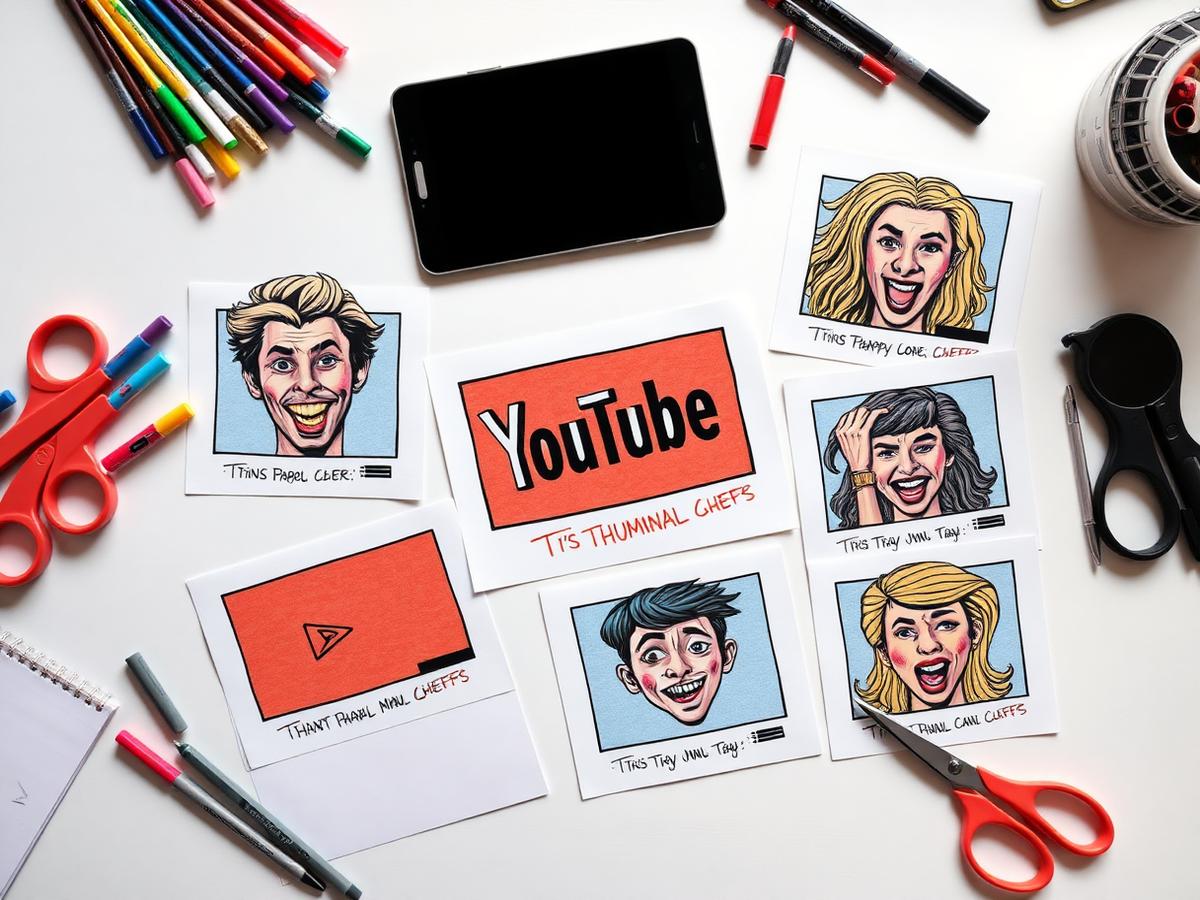
A package is the title, thumbnail and hook working as one promise. The title names the outcome, the thumbnail shows the stakes visually, and the first 15 seconds prove you will actually deliver. When all three point at the same intent, click-through and retention rise together instead of trading against each other.
- 1Title: outcome + specificity. 'Get your first 1,000 subscribers' beats 'Grow your channel'.
- 2Thumbnail: three to four words maximum, one clear subject, one emotional signal.
- 3Hook: restate the promise, show the proof, then tell them the shape of the video.
How to know it worked
Judge intent research on two numbers together. Click-through rate tells you whether the package matched the desire; the first-30-second retention curve tells you whether the video matched the package. High CTR with a cliff at 20 seconds means you promised the wrong thing. Low CTR with strong retention means the video is good but nobody knows it yet — rewrite the package and re-test, don't delete the video.
Do this for ten videos in a row and you stop guessing permanently. Your channel starts compounding, because every upload is answering a question that somebody was already looking for.
Put this into practice
Stop reading. Start shipping.
CreatorIntent turns this kind of research into a complete video package — hook, thumbnail direction, titles, description, tags, and script outline — in under 5 minutes.
Plans from $9.99/mo·Cancel anytime·Locked-in pricing for early members